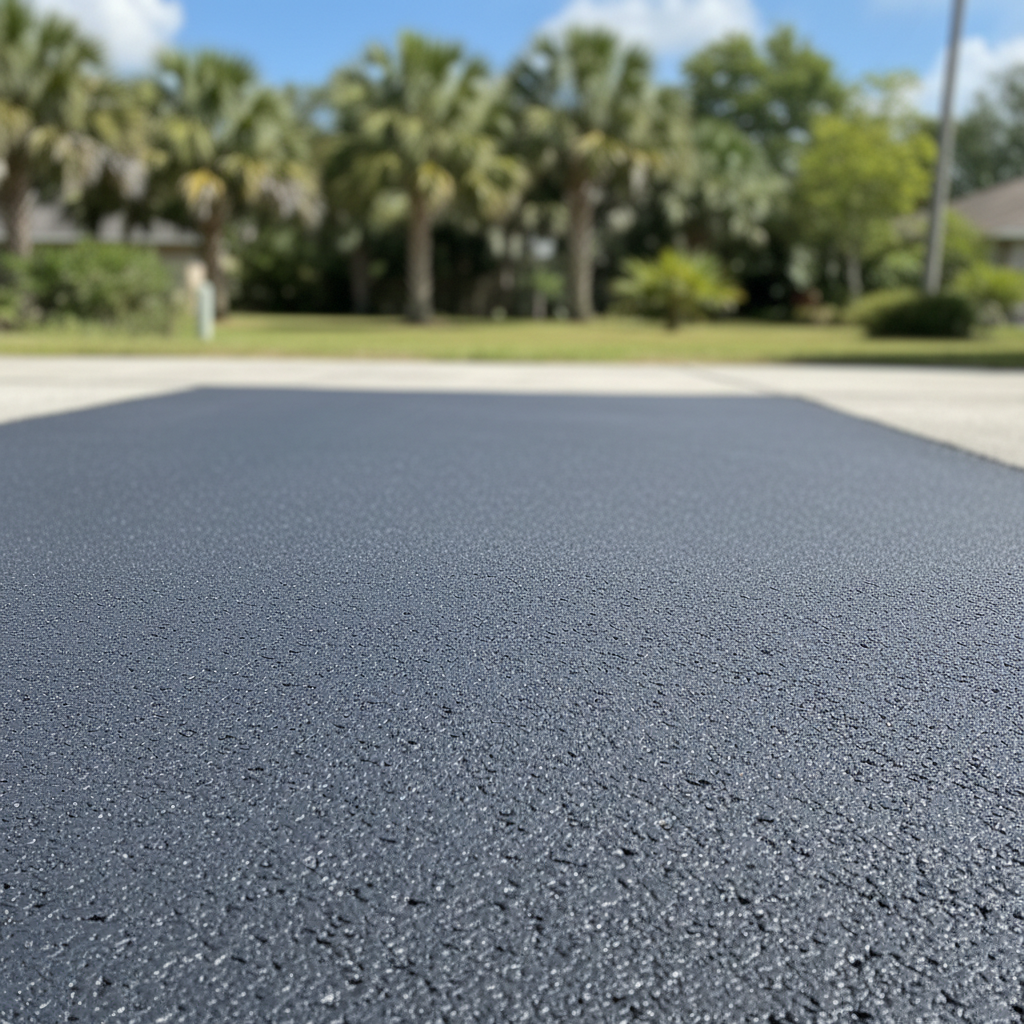
Alright, let's talk about asphalt patching. I get a lot of calls from folks all over Jacksonville – from Mandarin to the Beaches – asking pretty similar questions about their driveways. It's usually about those annoying cracks, potholes, or just general wear and tear. You want to know what's up, what it'll cost, and if it's even worth doing. So, I figured I'd lay out the most common questions I hear and give you the straight scoop.
What's the real difference between a 'patch' and a 'repair'?
This is a big one. Honestly, the terms get thrown around a lot, even by pros sometimes. When I talk about 'patching,' I'm usually referring to fixing a specific, isolated area of damage. Think potholes, alligator cracking in one spot, or a section that's just crumbling. We'll cut out the bad stuff, clean it up, and then fill it with new asphalt. It's a targeted fix.
'Repair,' on the other hand, can be a broader term. It might include patching, sure, but it could also mean crack filling, sealcoating, or even minor resurfacing. If you've got a few small cracks, we're doing crack 'repair.' If you've got a big hole, well, that's a 'patch.' The goal is always to stop further damage and extend your pavement's life, but the method depends on the specific problem, you know?
How long does an asphalt patch usually last in our Jacksonville climate?
That's a fair question, especially with our crazy weather here. A well-done patch, using quality materials and proper compaction, should last several years – I'd say anywhere from 3 to 7 years, sometimes even longer. But here's the kicker: it depends on a few things. How good was the original asphalt? How much traffic does the area get? And, critically, how well was the patch installed? If it's just a quick pour-and-go job, you're not going to get that longevity. Our intense summer heat and heavy rains can be brutal on asphalt, so proper drainage and a solid base are essential for any patch to hold up.
Can I patch over an old patch, or do you have to remove it?
You know, sometimes you see a patch on top of a patch, and it just looks like a mess. Generally, if an old patch is failing – it's sunken, cracked, or crumbling – we're going to remove it. You don't want to build good work on a bad foundation. We'll cut out the old material down to a stable base, clean it thoroughly, and then install the new patch. Trying to patch over a weak, unstable patch is just asking for trouble; it'll fail quickly, and you'll be back to square one. There are exceptions, like if an old patch is still solid but just has a minor surface crack. In that case, we might be able to incorporate it into a larger repair, but usually, it's best to get rid of the bad stuff.
What causes those patches to sink or crack around the edges?
Ah, the dreaded sunken patch. This usually comes down to one or both of two things: poor base preparation or insufficient compaction. If the base material underneath the patch isn't stable or wasn't properly compacted before the new asphalt went in, it's going to settle. Same goes for the asphalt itself. If we don't compact it enough, it'll settle and create those low spots or cracks around the seams. Water can then get into those cracks, especially with our high water table here in Jacksonville, and start eroding the base further, making the problem worse. It's why we take our time with compaction at Neighborly Asphalt Solutions – it's crucial for a lasting patch.
Is there a 'best' time of year to get asphalt patching done in Jacksonville?
Honestly, you can patch asphalt pretty much any time of year here, but some times are better than others. We prefer to work when it's not pouring rain, obviously, and when the temperatures aren't extreme. The asphalt mixture needs to be workable, and the ground needs to be relatively dry. Our mild winters are actually pretty good for patching. In the peak of summer, when it's 95 degrees with 90% humidity, the asphalt can be a bit trickier to work with, but it's still doable. The main thing is that the ground isn't saturated, which can be a challenge during our rainy season. We'll always assess the conditions before starting any work.
My patch looks different than the rest of my driveway. Is that normal?
Yep, that's totally normal, at least for a while. Think of it like getting a new piece of wood for an old deck – it's going to look different. New asphalt is a darker, richer black. Over time, with exposure to the sun and elements, it'll oxidize and lighten up, eventually blending in better with your existing pavement. Sealcoating your entire driveway after patching is a great way to unify the color and protect both the old and new asphalt. It won't make it perfectly uniform immediately, but it helps the blending process and gives everything a fresh, consistent look.
When should I just replace the whole driveway instead of patching?
This is the million-dollar question, isn't it? If you've got more patches than original pavement, or if you're patching the same areas repeatedly, it's probably time to consider a full replacement or at least an overlay. If the damage extends deep into the base layer across a large area, or if you have widespread alligator cracking, significant heaving, or drainage issues that can't be fixed with just a patch, then you're throwing good money after bad. We'll always give you an honest assessment. Sometimes, a few well-placed patches can extend the life of your driveway for years, but there comes a point where the underlying issues are just too extensive for spot repairs.