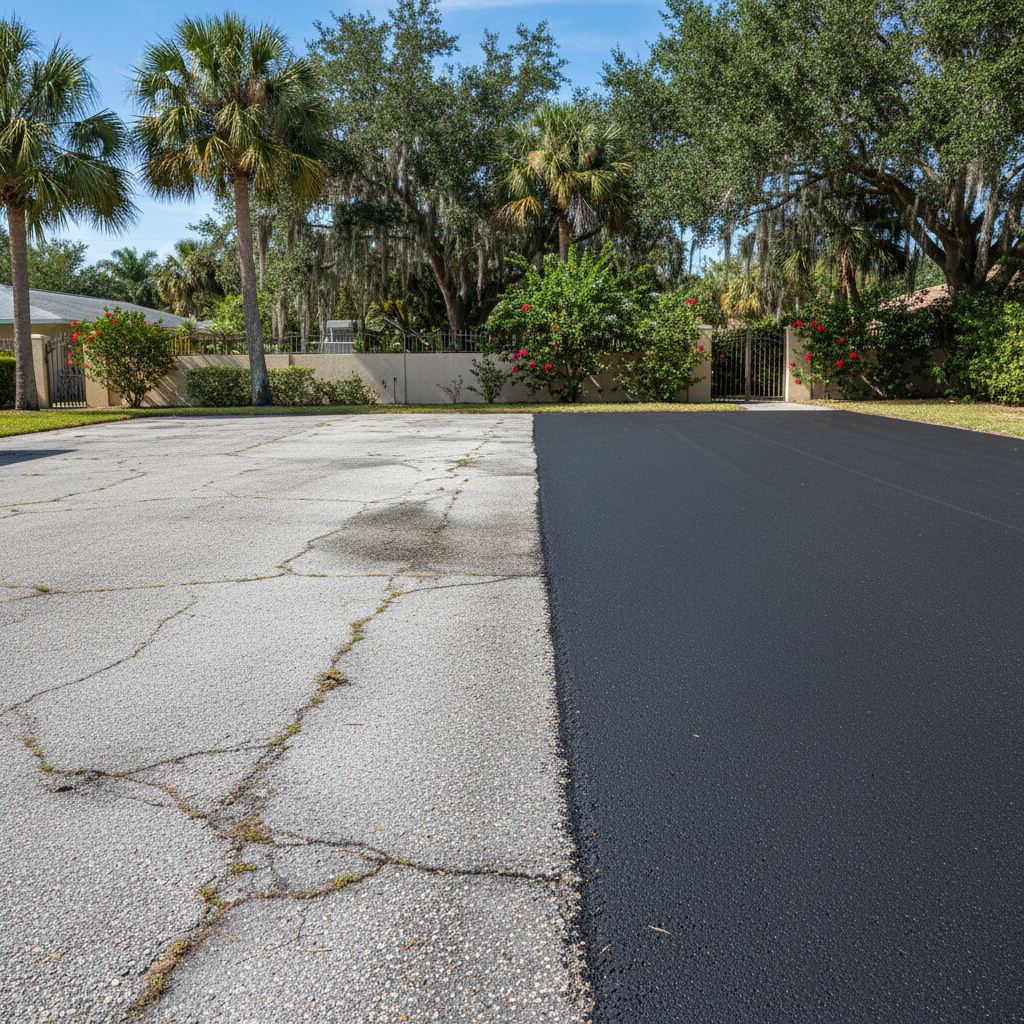
You're looking at putting in a new parking area, maybe expanding your driveway, or finally paving that gravel spot next to the garage. Good for you. But then the big question hits: asphalt or concrete? It's not just about what looks good; it's about what's going to hold up best here in Jacksonville, what's going to cost you, and what kind of headache you're signing up for down the road. I've seen plenty of both, and I can tell you there are clear differences.
Cost: What's the Initial Hit?
Let's talk money first, because that's usually where everyone starts. Generally speaking, asphalt is almost always cheaper upfront than concrete. We're talking about a significant difference per square foot, especially for larger areas like a parking lot. Why? Asphalt's materials are less expensive, and the installation process can be quicker. If you're on a tighter budget and need a good, functional surface, asphalt is going to be your friend right out of the gate.
Concrete, on the other hand, requires more labor, more specialized equipment, and the materials themselves cost more. You're paying for that extra strength and rigidity. So, if your primary concern is the lowest possible initial investment, asphalt wins this round hands down.
Durability & Lifespan: Built to Last?
This is where things get interesting, especially in our Florida climate. Concrete is incredibly durable. It's rigid, can handle heavy loads, and isn't as susceptible to softening in our brutal summer heat. A well-installed concrete parking area can easily last 30 years or more, sometimes even 40, with minimal fuss. It stands up well to things like oil spills and chemical leaks, which can be a real pain for asphalt.
Asphalt is durable too, but in a different way. It's flexible. That flexibility is actually a huge advantage when you consider our sandy, shifting soil here in Jacksonville. Concrete can crack under stress from ground movement or heavy loads if not properly reinforced, and once it cracks, it's a bigger, more expensive repair. Asphalt, being more pliable, can flex a bit with minor ground shifts, which helps prevent cracking. However, asphalt typically has a shorter lifespan, usually 15-20 years, before it needs a major resurfacing or replacement. It's also more prone to rutting and softening in our extreme heat, especially with heavy vehicles sitting on it for long periods.
Maintenance: What's the Ongoing Effort?
Nobody wants a high-maintenance parking lot, right? With concrete, maintenance is pretty minimal. You'll want to clean it periodically, especially if you get mildew or algae buildup, which is common here. If a crack does appear, it's usually a more involved repair, often requiring patching or even slab replacement. But generally, you're looking at less frequent intervention.
Asphalt, while cheaper upfront, does require more regular maintenance to reach its full lifespan. You'll need to sealcoat it every 2-5 years. This isn't just for looks; sealcoating protects the asphalt from UV rays, water penetration, and oxidation, all of which break down the binder and shorten its life. It's a critical step for asphalt in our sunny, rainy climate. Small cracks need to be filled promptly to prevent water from getting underneath and causing bigger problems. It's more frequent upkeep, but these maintenance tasks are generally less expensive than major concrete repairs.
Appearance: What Look Are You Going For?
This is subjective, but there are some common perceptions. Concrete offers a clean, bright, and often more formal look. You can also get it stamped or stained to mimic other materials, giving you a lot of design flexibility. It reflects light, which can be a plus for illumination at night and can help keep the surface a little cooler.
Asphalt has that classic, dark, uniform appearance. It absorbs heat, which can make it hotter to walk on in the summer, but it also helps melt ice faster in the rare event we get some. It's a more utilitarian look, but a freshly sealcoated asphalt lot looks sharp and professional. For many homes, especially those with more traditional or natural landscaping, asphalt blends in nicely.
My Recommendation for Jacksonville Homeowners
Alright, so what's the verdict for us here in Jacksonville? Given our hot, humid climate, heavy rain, and often sandy soil, I lean towards asphalt for most residential parking lot applications. Here's why:
- Flexibility: Our soil can shift. Asphalt's flexibility helps it handle minor ground movement better than rigid concrete, reducing the likelihood of major cracking.
- Repairability: When asphalt does get damaged, it's generally easier and more cost-effective to repair. Patching and resurfacing are straightforward for us at Neighborly Asphalt Solutions.
- Cost-Effectiveness: While it needs more maintenance, the lower upfront cost and easier repairs often make asphalt the more budget-friendly option over its lifespan for a typical homeowner.
Now, if you're parking heavy commercial vehicles regularly, or if you absolutely love the look and low day-to-day maintenance of concrete and have the budget for it, then concrete is a solid choice. But for the average homeowner looking for a durable, cost-effective, and practical parking solution that stands up to our Northeast Florida conditions, asphalt is usually the way to go.
Just remember, no matter which you choose, proper installation is key. That's where a local crew like Neighborly Asphalt Solutions comes in. We know the ground here, we know the weather, and we know how to lay a surface that lasts.