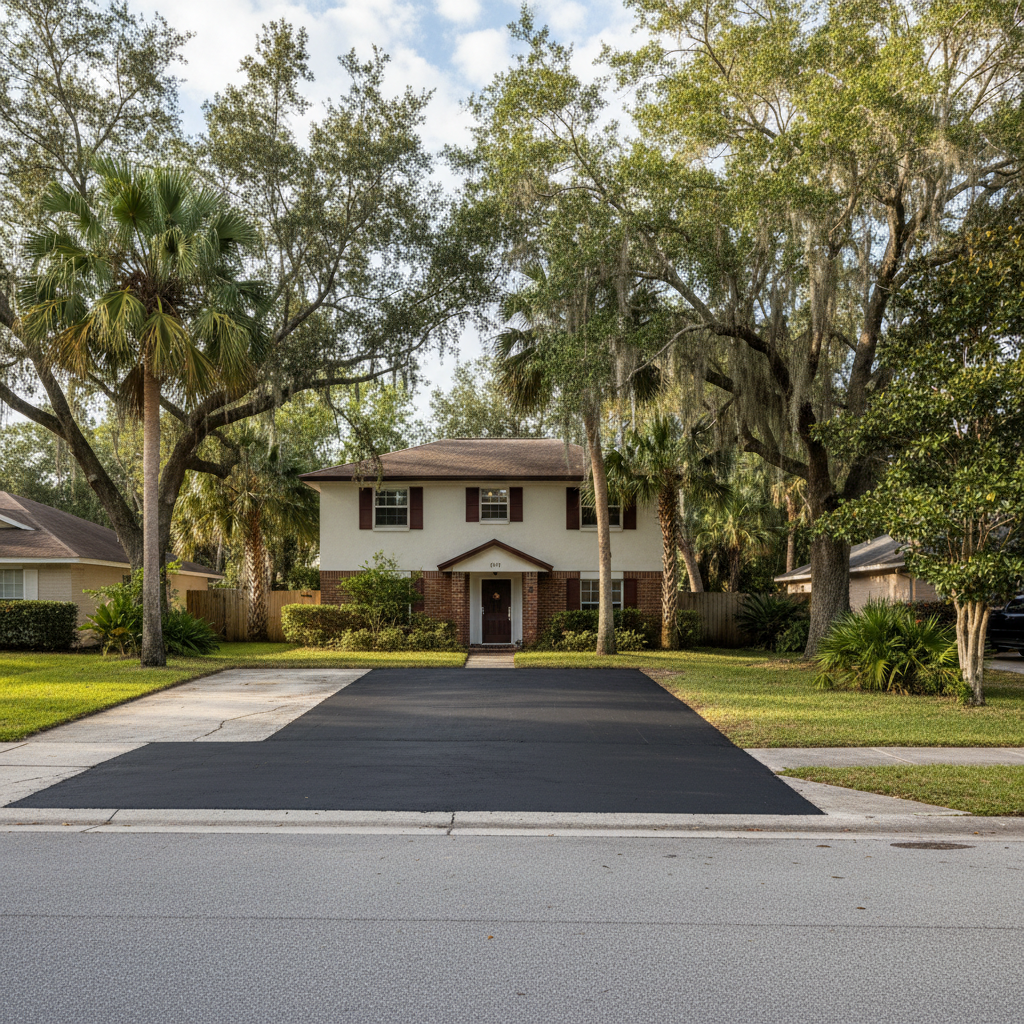
You've seen it. That ugly pothole that appears out of nowhere after a good rain, or those spiderweb cracks spreading across your parking lot. In Jacksonville, asphalt damage isn't just an eyesore; it's a real problem that can trip people up, damage vehicles, and make your property look neglected. When it comes to fixing it, you can't just slap some asphalt down and call it a day. There's a right way and a wrong way, especially with our unique Florida conditions.
Why Jacksonville Asphalt Takes a Beating
Our weather is a big factor, plain and simple. We get intense sun that bakes the asphalt, making it brittle. Then come the heavy, sudden downpours, often followed by more sun. That constant expansion and contraction, wet to dry, really stresses the pavement. It's not like up north where they deal with freeze-thaw cycles; here, it's all about heat, humidity, and water intrusion. Plus, our sandy soil, especially in areas closer to the St. Johns River or the beaches, can sometimes shift more than the clay soils you find elsewhere. That movement underneath can contribute to cracks and potholes forming quicker than you'd expect.
Think about some of the older neighborhoods, like Avondale or San Marco, with their mature trees. Roots are always a concern there, pushing up pavement. Or the sheer volume of traffic many commercial properties see, from the beaches to the Westside. All these things contribute to wear and tear that needs proper attention.
The Right Way to Patch Asphalt Here
Patching isn't just a quick fix; it's about extending the life of your pavement. You've got a few options, and the best one depends on the damage. For small, isolated potholes, a simple 'throw-and-roll' cold patch might get you by for a bit, but it's rarely a long-term solution. For anything serious, you need a more robust approach.
- Saw-Cut & Remove: This is what I prefer for most significant potholes. We cut out the damaged section in a neat, square shape, remove all the old, compromised material, prepare the base, and then fill it with hot asphalt mix. It creates a clean, strong bond.
- Skin Patching: For shallower, wider areas of cracking or surface deterioration, we might apply a thin layer of hot mix over the existing surface. It's good for improving appearance and preventing water penetration, but it won't fix structural issues underneath.
- Infrared Patching: This is a pretty cool technique where we use infrared heat to soften the existing asphalt, add new material, and then blend it all together. It creates a seamless repair with no cold joints, which means less chance of water getting in later. It's often more efficient and uses less new material.
The key is making sure the base is stable and that the new asphalt bonds well with the old. If you don't address the underlying issue, whether it's poor drainage or a weak sub-base, that patch won't last. It'll just fail again, sometimes even faster than the original damage appeared.
Why Local Expertise Matters for Your Property
You wouldn't hire a snowplow company to pave your driveway in Jacksonville, right? It's the same idea with asphalt patching. A company that understands Jacksonville's specific climate, traffic patterns, and even our soil types is going to do a better job. We know what materials hold up best in our heat and humidity, and we're familiar with the common issues properties around here face.
When you call Neighborly Asphalt Solutions, you're not just getting a crew that knows how to lay asphalt. You're getting folks who live and work right here in Duval County. We've seen it all, from residential driveways in Mandarin to commercial parking lots downtown. We understand that a well-maintained parking lot or driveway isn't just about aesthetics; it's about safety, curb appeal, and protecting your investment.
Don't let those small cracks turn into big headaches. Get them fixed right the first time. It'll save you money and hassle down the road.