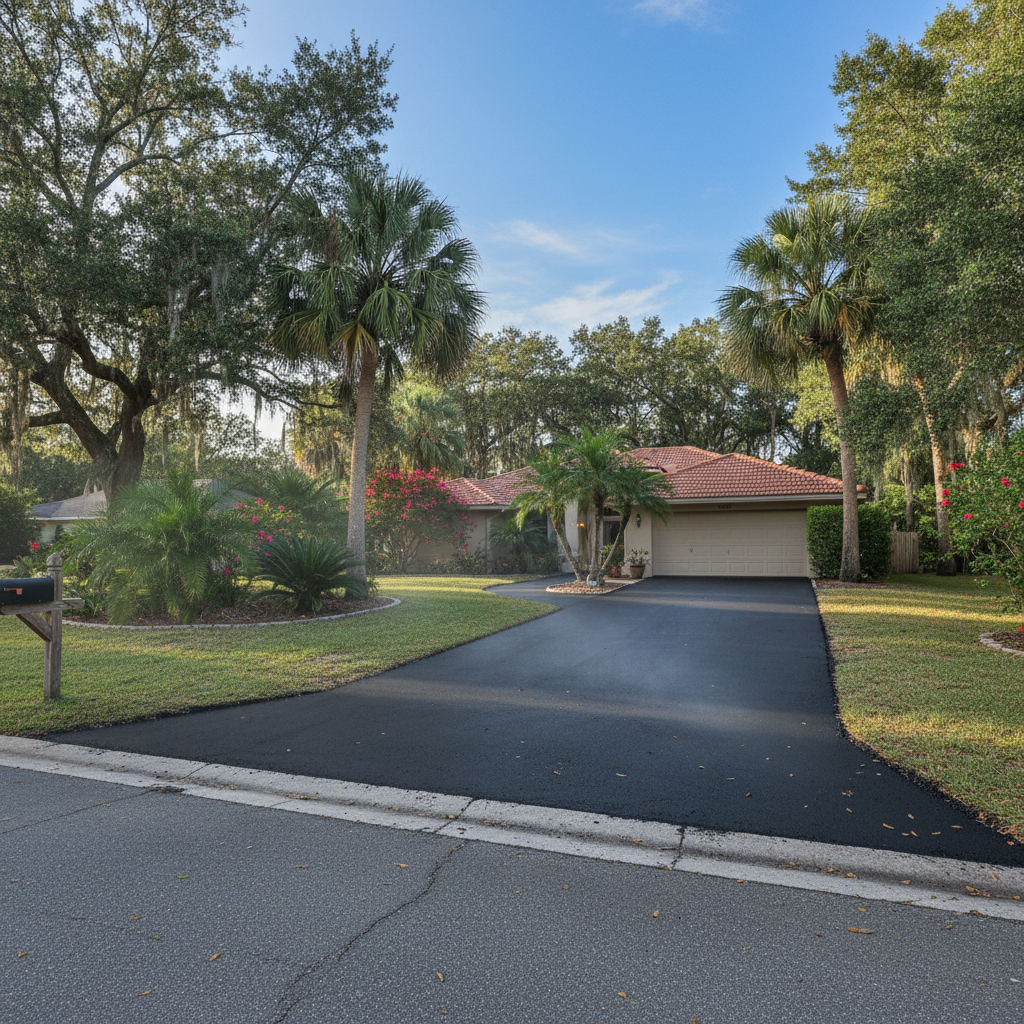
You’ve got an asphalt driveway, or you’re thinking about getting one. Great choice for durability and a smooth look. But here in Jacksonville, our weather isn't exactly like up north, and that means you gotta think about timing when it comes to asphalt work.
When's the Best Time for Asphalt Work in Jacksonville?
This is probably the most common question I get. Folks see a crack or a faded surface and think, “I need to fix this now!” And while prompt repairs are always good, there’s a sweet spot for major asphalt projects like a new installation or a full resurface.
For us down here, the ideal time is usually late fall through early spring. Think October through April. Why then? It’s all about the temperature. Asphalt needs a certain temperature range to cure properly. If it’s too hot, it can get too soft, too quickly, and you risk issues with compaction and durability. If it’s too cold, the asphalt mix can cool too fast, making it harder to work with and preventing it from binding correctly.
Our summers? Forget about it for big jobs. June, July, and August are brutal. The ground temperature is through the roof, and the air is thick with humidity. Pouring hot asphalt on an already scorching surface isn't ideal. Plus, we get those afternoon downpours that can pop up out of nowhere, and rain and fresh asphalt don't mix. It can cool the asphalt too rapidly and wash away critical oils before it sets.
So, if you’re planning a new driveway or a significant overlay, aim for those cooler, drier months. You’ll get a better, longer-lasting result, and honestly, it’s a lot more comfortable for my crew too.
Weather Conditions That Affect Asphalt Projects
Beyond just the season, specific weather conditions play a huge role. I already mentioned rain – that’s a big no-go. We need a dry surface for proper adhesion, whether we’re sealing or laying down new material. Even a light drizzle can mess things up.
Humidity is another factor. High humidity can slow down the curing process of sealants and some asphalt mixes. It’s not as critical as rain, but it’s something we always keep an eye on.
Wind isn't usually a deal-breaker, but strong winds can affect temperature control during paving and can blow debris onto a fresh surface. Not ideal, but manageable.
The biggest one, though, is temperature. We’re looking for ground temperatures generally above 50°F for paving, and air temperatures that aren't going to drop below freezing overnight for a few days after the pour. In Jacksonville, freezing isn’t a common concern, but those cooler nights in December or January still mean we need to plan carefully.
Protecting Your Asphalt Investment Year-Round
Once you’ve got a beautiful, smooth asphalt driveway, you want to keep it that way. Our Jacksonville climate, with its intense sun and heavy rains, can be tough on pavement. Here’s how you can protect your investment:
- Sealcoating: This is your first line of defense. I recommend sealcoating every 2-3 years. It protects against UV rays, water penetration, and oil spills. Think of it like sunscreen for your driveway. The sun here is no joke; it dries out the asphalt binders, making it brittle and prone to cracking.
- Crack Filling: Don't ignore those small cracks. Water gets into them, expands when it freezes (not often here, but it happens up north!), and then washes away the base material. Here, the biggest issue is water continually eroding the sub-base, especially with our sandy soil in places like Mandarin or the Beaches. Fill 'em early to prevent bigger, more expensive problems.
- Cleanliness: Keep your driveway free of debris, leaves, and especially oil or gas spills. These can break down the asphalt over time. A quick sweep or hose-down goes a long way.
- Drainage: Make sure water drains off your driveway properly. Standing water is the enemy of asphalt. If you’ve got puddles that linger, you might have a drainage issue that needs addressing.
It's all about proactive care. You wouldn't skip oil changes on your car, right? Your driveway needs regular attention too. If you're unsure about the condition of your asphalt or when to schedule maintenance, just give us a call at Neighborly Asphalt Solutions. We're happy to come out, take a look, and give you an honest assessment. We've been doing this for a long time, and we know what works best for Jacksonville driveways.