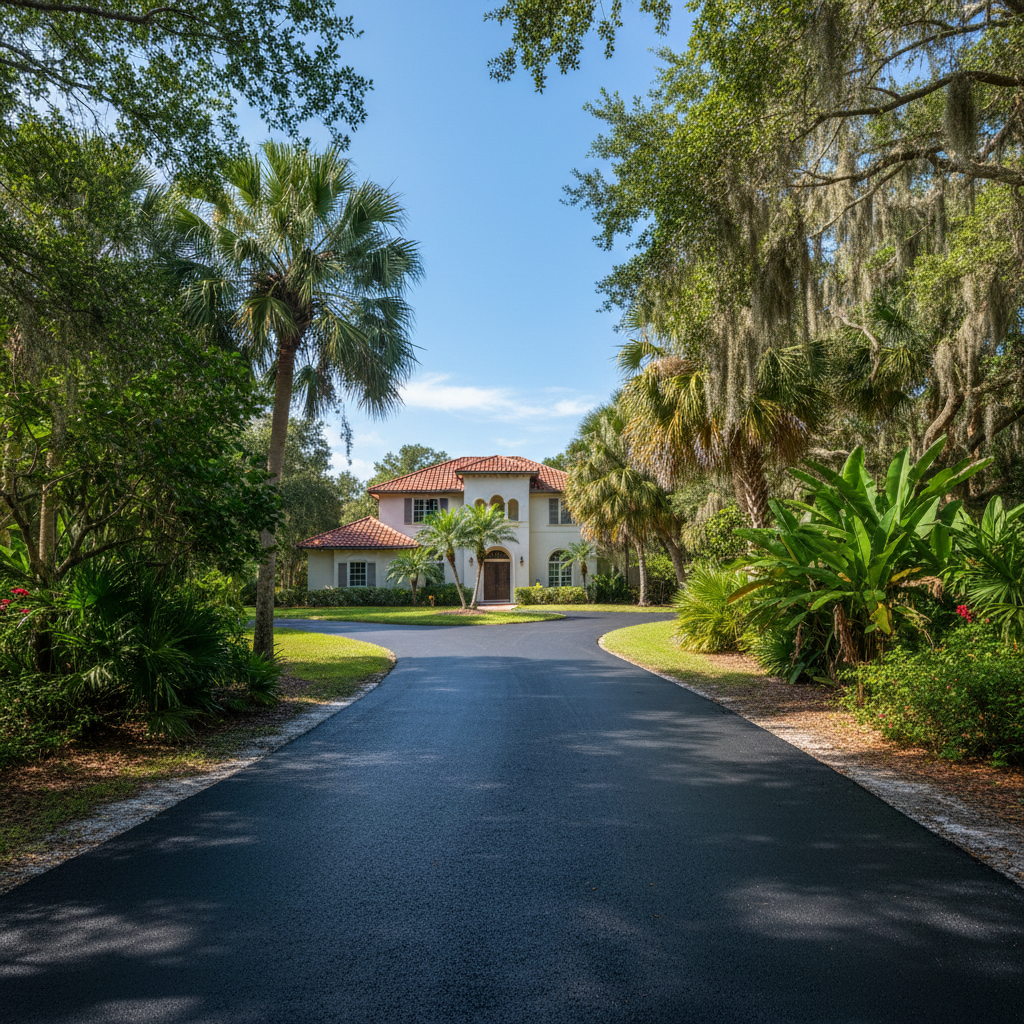
You've got a driveway, and you want it to last. Simple enough, right? But here in Jacksonville, our weather isn't always so simple, and it plays a huge role in when you should pave, repair, or protect your asphalt. I've seen it all over the years, from Mandarin to the Beaches, and understanding our climate is absolutely key to getting the most out of your investment.
When to Schedule Your Asphalt Work in Jacksonville
Timing is everything when it comes to asphalt. You can't just lay hot asphalt whenever you feel like it; the conditions have to be just right. For us, that usually means avoiding the extremes. The sweet spot for major asphalt paving or resurfacing projects? Typically late spring, early summer, or fall.
- Spring (April-May): This is prime time, no doubt about it. The ground has dried out from any winter rains, and the temperatures are consistently warm but not scorching. The asphalt can cure properly without getting shocked by cold snaps or baking too fast.
- Early Summer (June): Still a good window. However, you're starting to flirt with those daily afternoon thunderstorms. We can work around them, sure, but consistent dry days are always better for a smooth process.
- Fall (October-November): Another excellent period. The intense summer heat has backed off, and we usually get a stretch of drier, cooler weather before any real winter chill sets in. This allows the asphalt to cool and harden gradually, which is ideal for its long-term integrity.
What you want to avoid is the dead of winter, when it's just too cold for the asphalt to compact correctly. Or the peak of summer, when the heat and humidity can make it tough to work with and cure. We need stable temperatures, usually above 50°F and ideally between 70-90°F, for the asphalt to be pliable and for the binders to set right.
How Jacksonville's Weather Affects Asphalt Projects
Our local climate isn't just about temperature; it's a whole cocktail of factors that impact asphalt. Humidity, rain, and even our sandy soil here in Northeast Florida all play a part.
- Rain: This is the big one. We can't pave in the rain, plain and simple. Water interferes with the asphalt's ability to bond and compact. If the base layer gets saturated, we have to wait for it to dry out completely, which can really push schedules. Our summer afternoon downpours are famous for a reason, and they can definitely throw a wrench into a paving day if we're not careful with scheduling.
- Humidity: High humidity, especially combined with heat, can affect how quickly asphalt cools and cures. It's not as critical as direct rain, but it's something we're always aware of.
- Heat: While we need warmth, excessive heat (like those 95°F+ days in July and August) can make the asphalt too soft, even after it's laid. This can lead to issues with compaction and early rutting if heavy vehicles drive on it too soon. That's why working early in the morning during summer is often the game plan.
- Soil Conditions: Jacksonville's sandy soil, especially closer to the coast, can be tricky. It drains well, which is good, but it also means we need a really solid, well-compacted base before we even think about laying asphalt. A weak base, no matter how good the asphalt, means trouble down the road.
Protecting Your Asphalt Investment Year-Round
Once your driveway is paved, the work isn't over. You've got to protect it, especially with our sun and rain cycles. Think of it like maintaining your house; you wouldn't just build it and forget it, would you?
- Sealcoating: This is your first line of defense. A good sealcoat every 2-3 years, depending on traffic and sun exposure, protects the asphalt from UV rays, water penetration, and oil spills. It's like sunscreen for your driveway. We recommend doing this during those same prime spring or fall windows when temperatures are moderate and you can get a few dry days for it to cure.
- Crack Sealing: As soon as you see cracks, get 'em sealed. Water is asphalt's worst enemy. It seeps into cracks, gets under the pavement, and with our freeze-thaw cycles (even if they're mild compared to up north), it expands and contracts, turning small cracks into big potholes. Don't let a small problem become a huge headache.
- Cleaning: Keep your driveway clean. Sweep off debris, leaves, and dirt regularly. This prevents organic matter from breaking down and holding moisture against the asphalt. If you spill oil or gas, clean it up immediately; these chemicals break down the asphalt binder.
- Drainage: Make sure water drains away from your driveway, not onto it or pooling on it. Proper grading is crucial during installation, but sometimes landscaping changes or settling can affect drainage. If you see standing water, it's an issue that needs addressing.
Look, your driveway is a big part of your home's curb appeal and functionality. Taking a proactive approach based on our Jacksonville climate will save you a lot of money and frustration in the long run. At Neighborly Asphalt Solutions, we're always happy to talk through your specific situation and give you an honest assessment. We're locals, just like you, and we know what works here.