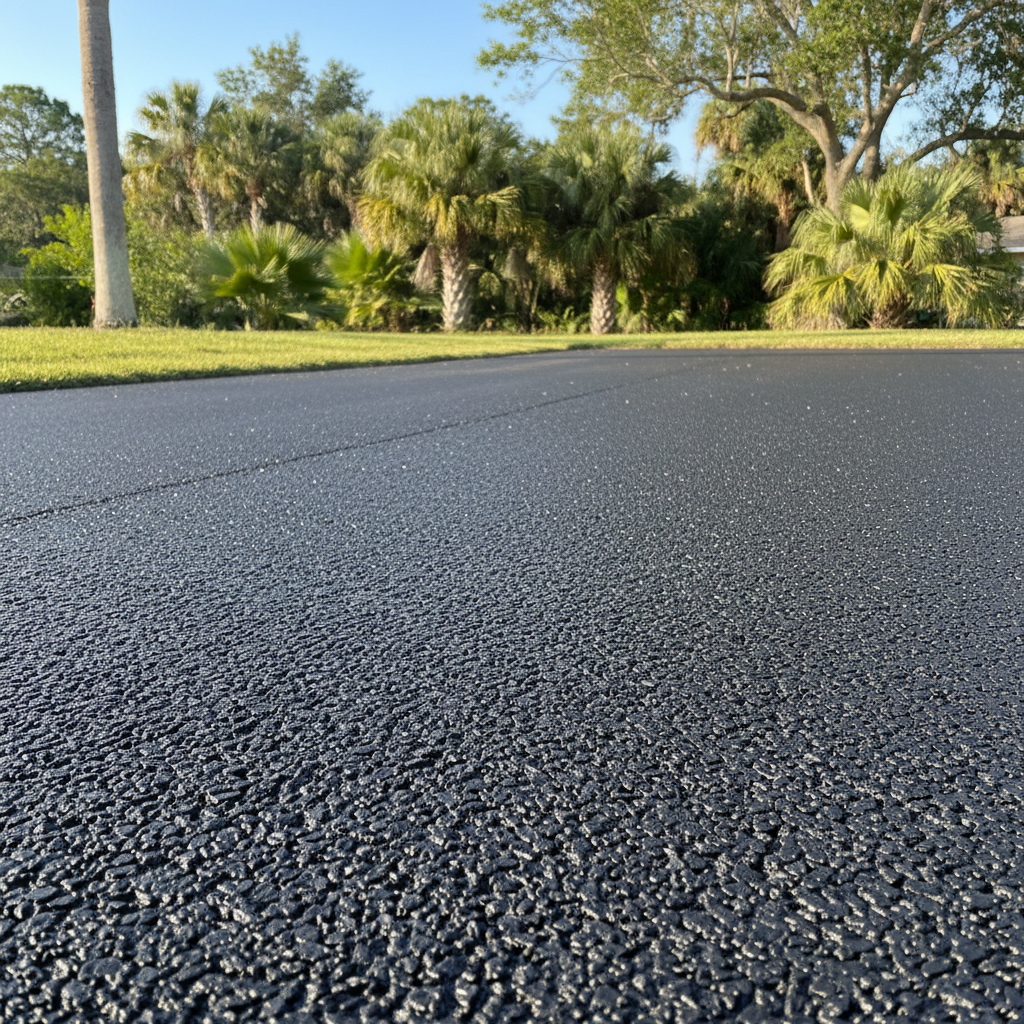
Thinking About a Parking Lot for Your Home?
Okay, so you've got a big property here in Jacksonville, maybe you're running a home-based business, or you just have a lot of cars and need more than a standard driveway. You're thinking about putting in a full-blown parking lot. That's a significant project, way different than just patching a crack in your driveway. Let's talk about what you're getting into, what you can realistically do yourself, and when it's time to pick up the phone and call a company like Neighborly Asphalt Solutions.
Before You Break Ground: Planning & Permits
This isn't like laying down a few pavers for a walkway. A parking lot, even a residential one, often means dealing with local regulations. First thing you need to do is check with the City of Jacksonville's Building Inspection Division or your local zoning office. You might need permits for grading, drainage, and even the paving itself. Don't skip this step; fines are a headache you don't need.
You'll also need a solid plan. Think about the size, shape, and how many vehicles you expect. Where will water drain? Jacksonville gets some serious rain, especially in the summer. You don't want a new parking lot turning into a swamp after every afternoon downpour. Proper grading and drainage are non-negotiable. This isn't a DIY job for most homeowners. Calculating slopes, understanding soil compaction, and designing a system that works with our sandy, often high-water-table soil? That's pro-level stuff.
Consider your budget, too. Paving a parking lot is a big investment. Get a few quotes, understand what's included, and don't just go for the cheapest option. You usually get what you pay for in this business.
The Groundwork: What You Can (and Can't) DIY
Let's be honest, the vast majority of a parking lot installation is not a DIY project for the average homeowner. This isn't about saving a few bucks on a small patch; it's about structural integrity and longevity. Here's a breakdown:
- Clearing & Excavation: If you're clearing brush or a few small trees, and you're comfortable with heavy equipment, you might be able to handle some of the initial clearing. But excavation for proper depth and grading? That requires specialized equipment and expertise to get the subgrade right. You need a stable, well-compacted base, or your new parking lot will start failing fast.
- Subgrade Preparation: This is critical. It involves compacting the soil, possibly adding a stabilization layer, and ensuring proper drainage. If you don't do this right, you'll have cracks, potholes, and a generally uneven surface in no time. This is almost always a job for professionals who have the right compactors and know how to read the soil.
- Base Layer Installation: After the subgrade, a thick layer of aggregate (like crushed rock) is laid down and compacted. This provides the main structural support. Again, heavy equipment and experience are needed to spread it evenly and compact it to the right density.
- Asphalt Paving: This is definitely not a DIY job. Laying asphalt requires specialized machinery like pavers and rollers, a crew that knows how to operate them, and the ability to work quickly with hot material. Getting a smooth, even, and durable surface is an art and a science. Trying to do this yourself will result in a lumpy, uneven mess that won't last a year.
So, what *can* you do yourself? You can do a lot of the initial planning, permit research, and perhaps some of the lighter clearing. You can also be the project manager, overseeing the pros and making sure things are done to your satisfaction. But for the actual construction, you're going to need a professional paving company.
After the Pavement is Down: Maintenance & Care
Once your new parking lot is installed, the work isn't totally over. Proper maintenance will extend its life significantly. Here's what you need to know:
- Curing Time: Don't drive on it immediately! Your contractor will tell you how long to wait. Typically, it's 24-72 hours for light traffic, but it can be longer for heavy vehicles.
- Sealcoating: This is something you can potentially do yourself on a smaller residential lot, but it's still a big job. Sealcoating every 2-3 years protects the asphalt from UV rays, water, and chemicals. If you're tackling it, make sure the surface is clean and dry, use a quality sealer, and apply it evenly. For larger areas, or if you're not confident, call us. We've got the equipment to do it right.
- Crack Filling: You'll eventually see small cracks. Filling them promptly prevents water from getting into the base and causing bigger problems. Smaller cracks can be a DIY job with a good quality crack filler. Just clean the crack thoroughly before applying.
- Drainage Checks: After heavy rains, check your drainage. Is water pooling anywhere? If so, address it quickly. Standing water is asphalt's enemy.
- Cleaning: Keep the surface clean of debris, oil spills, and chemicals. Oil and gas can break down asphalt over time.
A residential parking lot is a serious undertaking, but with the right planning and professional help where it counts, you'll have a durable, functional surface for years to come. Don't hesitate to reach out to Neighborly Asphalt Solutions if you're in the Jacksonville area and considering a project like this. We're happy to walk you through the specifics and give you an honest assessment of what it takes.